Software Engineer · Operations · Depok, Indonesia
I build the software that runs the work — internal systems, dashboards, automation tooling. Frontend foundation with enough backend and ops context to understand what I'm actually building it for.
Production engineering
at operational scale
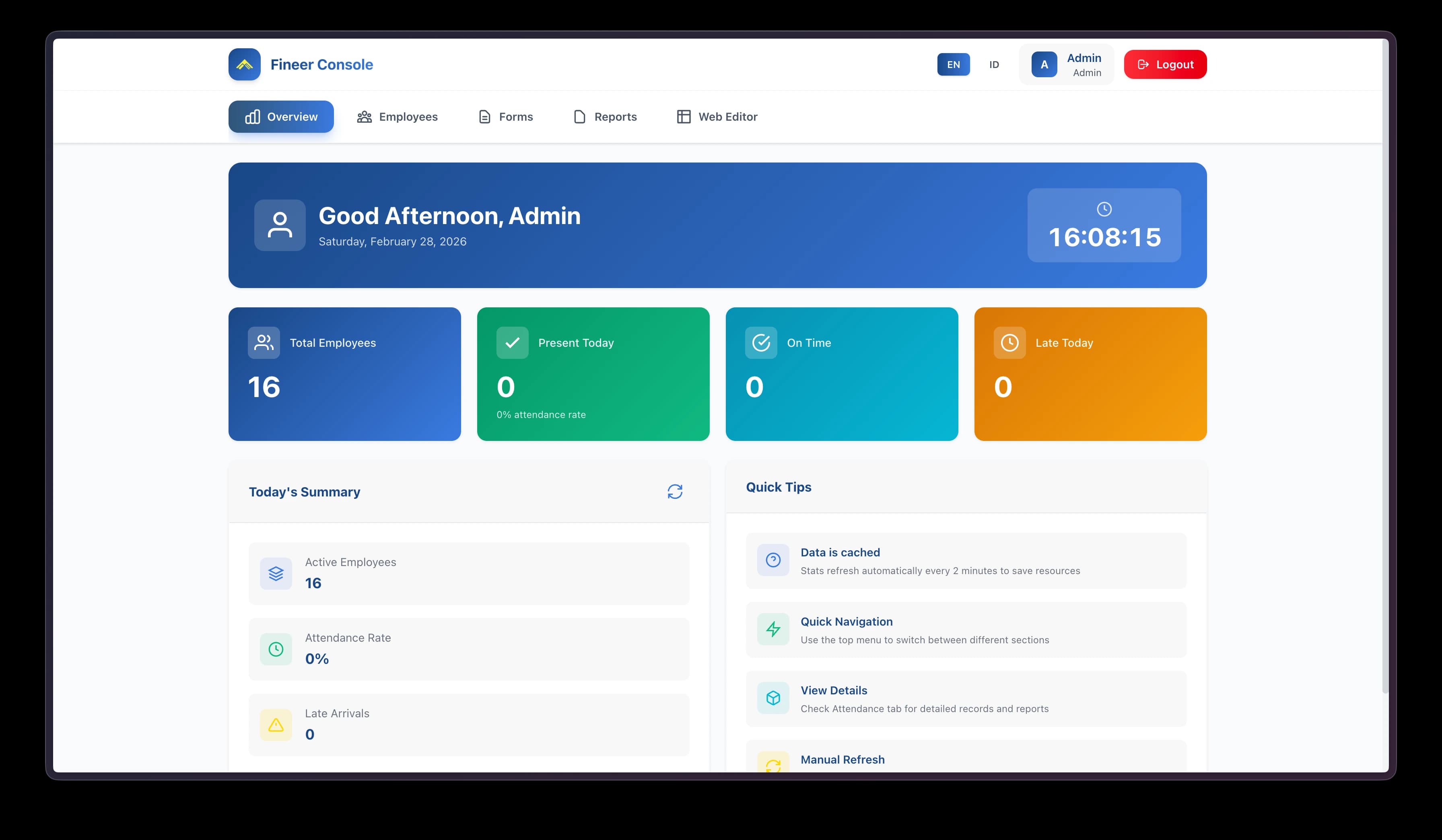
Fineer Ecosystem
A multi-platform workforce management system built to replace fragmented paper-based attendance and approval processes. Designed to operate across unstable networks with offline-first mobile synchronization, role-stratified approval chains, and full audit visibility for HR and operations leadership.
Flutter + Firebase. Location-validated attendance capture with offline-first sync and conflict resolution on reconnect.
Svelte admin dashboard. Role-based approval workflows, real-time HR visibility, and structured data access controls.
Employee → Admin → Director approval chain with audit logs at every state transition and real-time org-wide visibility.
Reduced manual approval bottlenecks, created a structured audit trail that previously did not exist, and delivered real-time HR visibility across distributed teams.
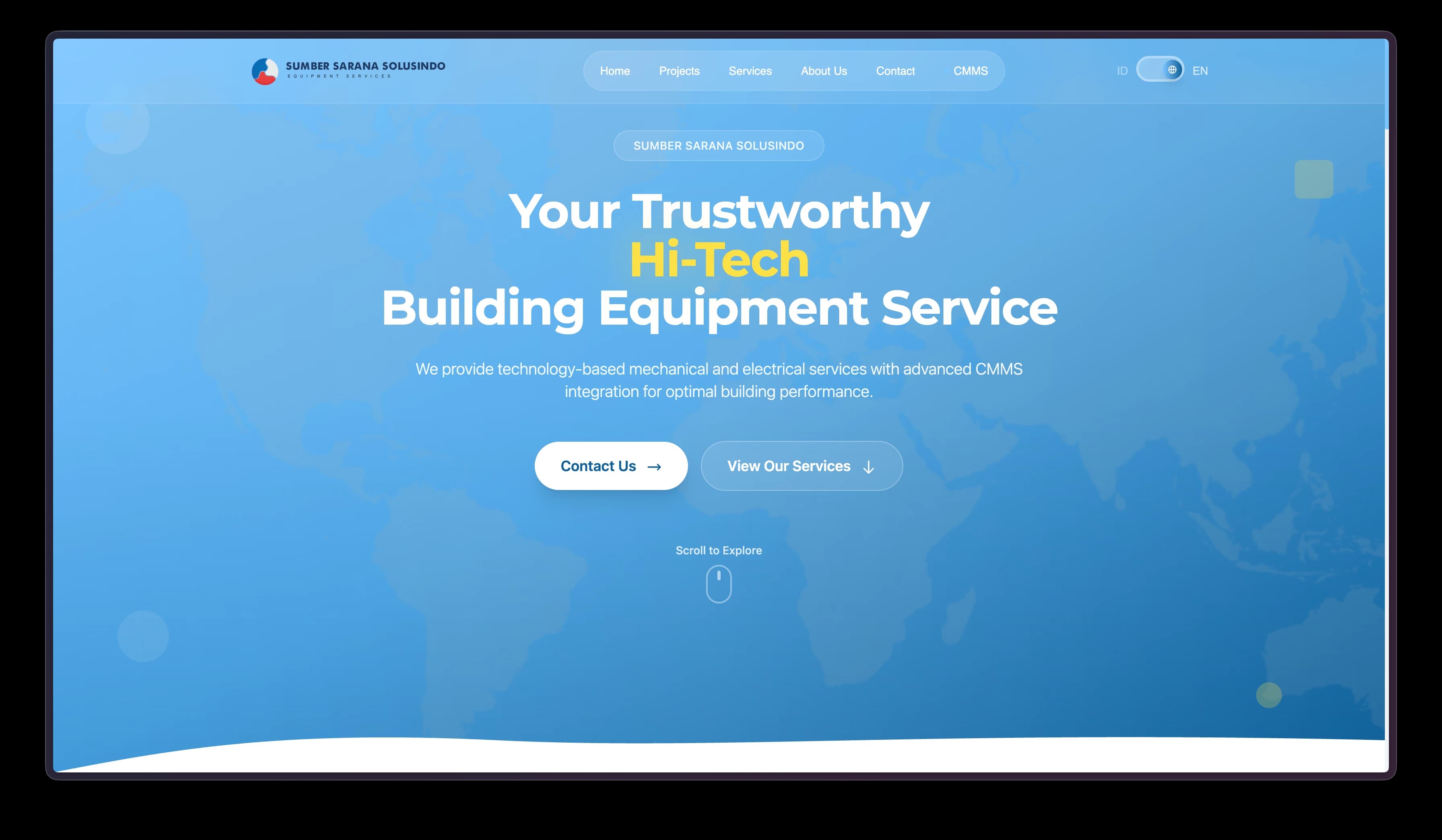
Full frontend leadership on a company profile redesign for a professional services firm. Rebuilt information architecture, visual hierarchy, and performance from the ground up through to production deployment. Not a template build — an informed restructuring of how the business presents itself digitally.
Delivered frontend leadership from brief to deployment. Improved structural clarity, load performance, and digital brand positioning for a live client in production.
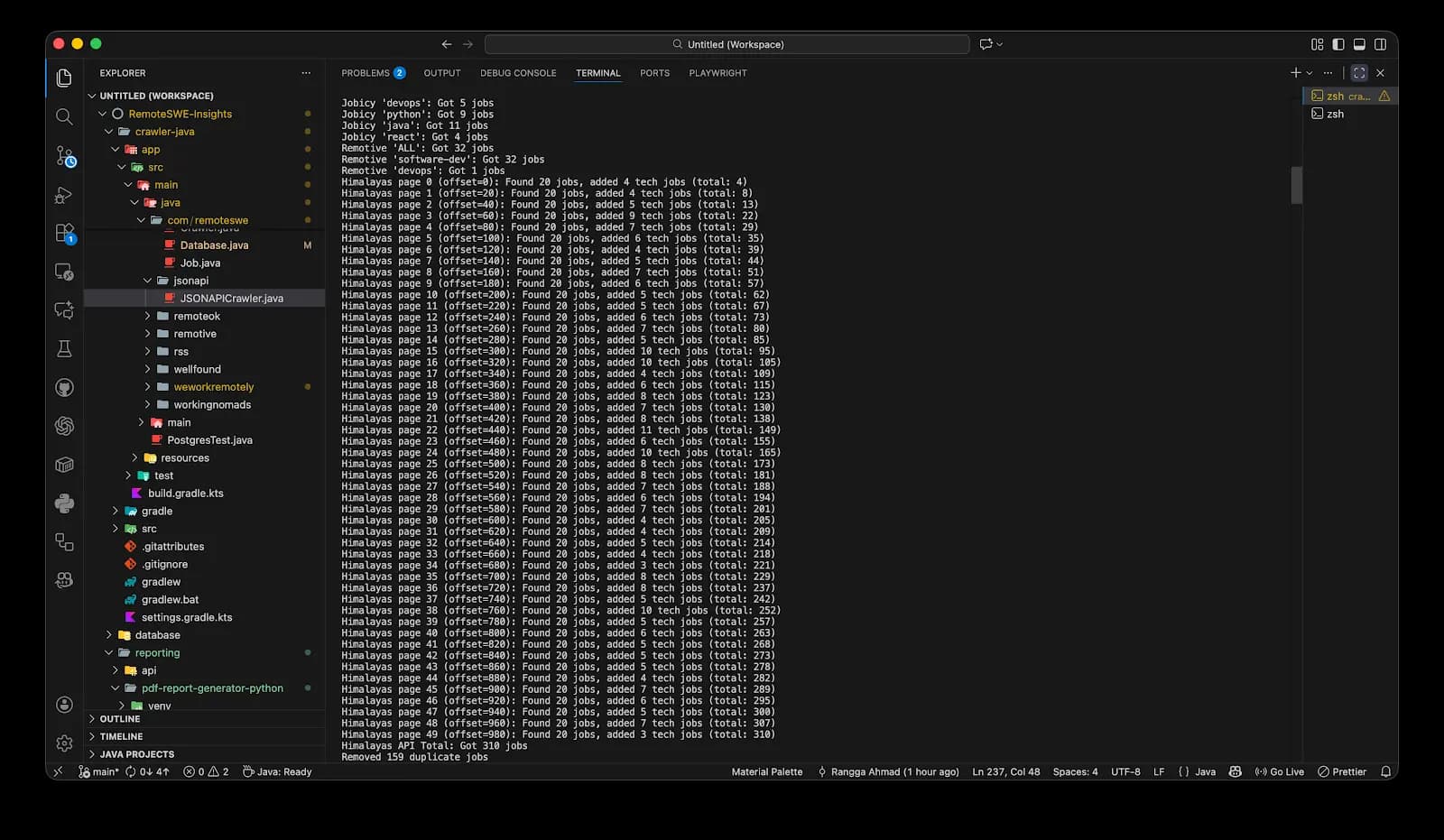
RemoteSWE Insights
A backend data pipeline that crawls remote software engineering job boards, normalizes raw HTML into structured relational records, and surfaces patterns across job market data. Built to answer specific research questions about remote engineering hiring, compensation ranges, and required technology stacks.
Java-based web crawler targeting remote SWE boards. Configurable selectors with retry logic and structured extraction.
PostgreSQL schema for normalized job listing data, enabling structured querying and longitudinal market analysis.
SQL views and queries identifying trends in tech stack requirements, remote policies, and compensation data.
Demonstrates backend depth — data modeling decisions, relational storage architecture, and automation thinking applied to a real analytical problem.
These flagship systems demonstrate frontend execution, backend engineering, and full-scope systems thinking.
Technical exploration beyond
the flagship scope
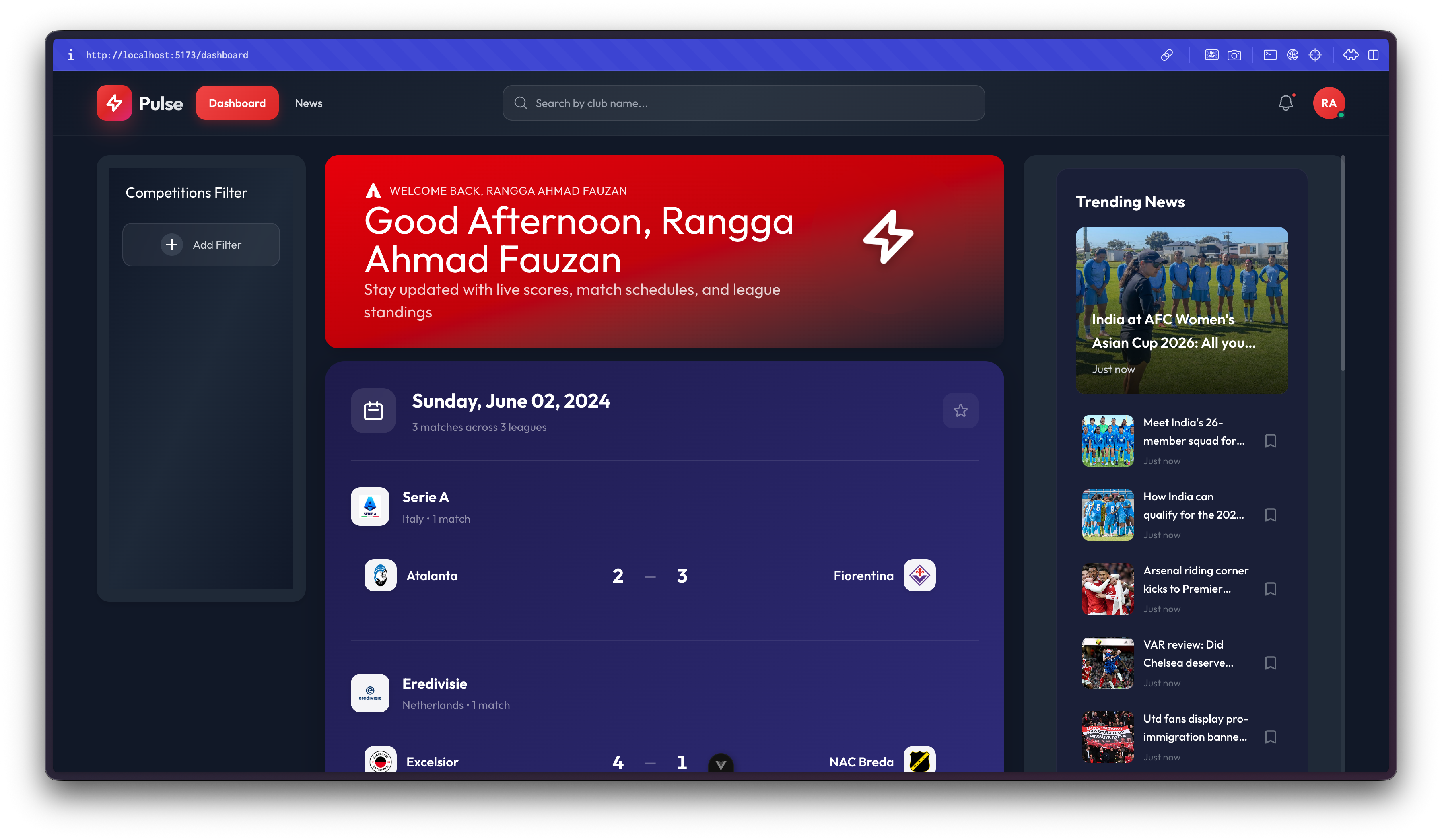
PulsePlay
Real-time football analytics system. Pulls live match data into a Spring Boot backend and renders live statistics through a reactive Vue frontend. Exploration of event-driven data handling and real-time UI state management.
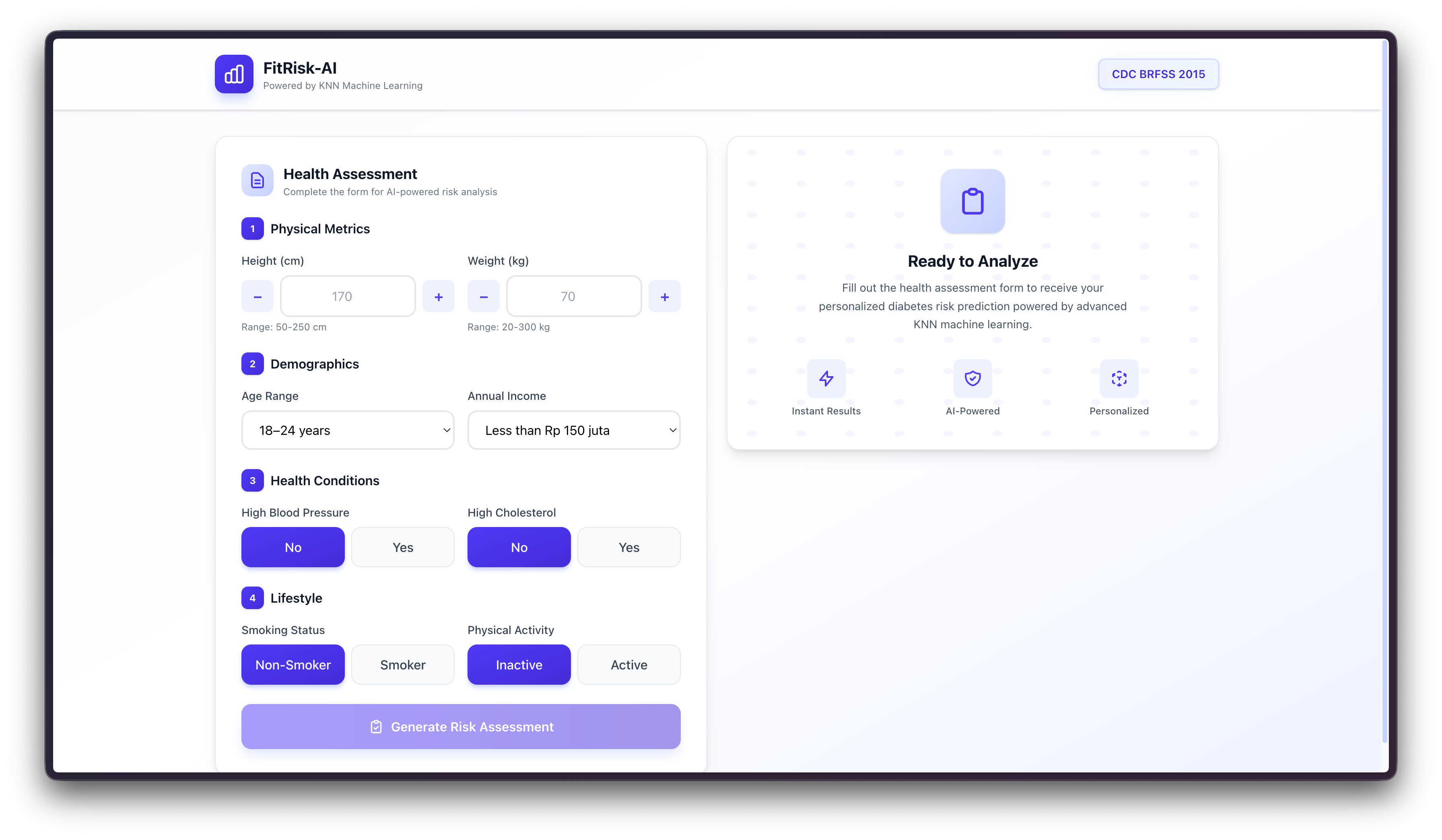
FitRisk AI
Diabetes risk prediction system using a KNN classification model. FastAPI backend exposes model inference as a structured REST API. Applied research into integrating classical ML models with clean, typed service interfaces.
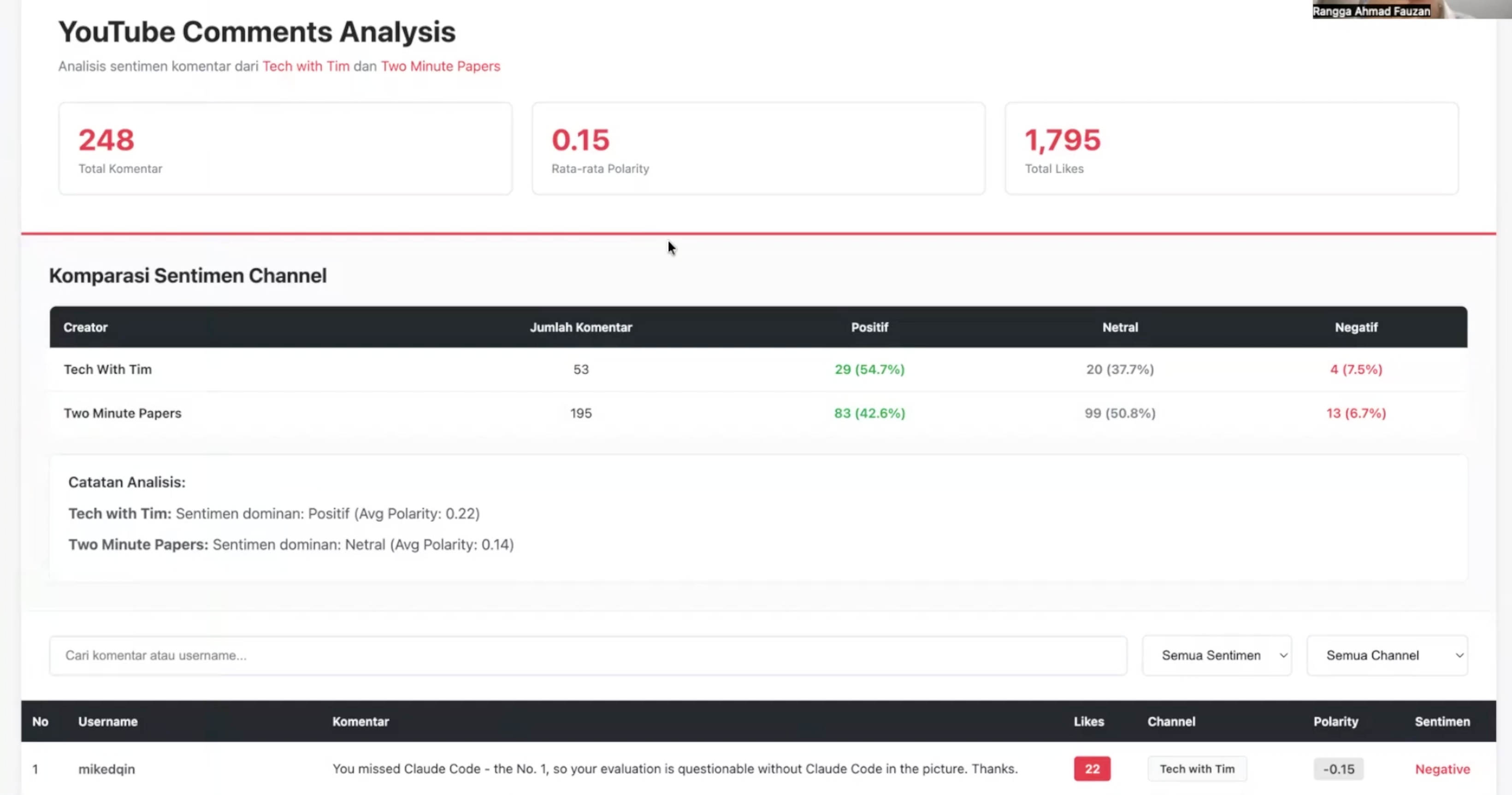
Scraper & Intelligence Tools
Two automation projects: a YouTube comment analysis tool with AI-assisted text classification, and Whoosh Scraper — a configurable general-purpose web extraction utility built on Selenium.
Software that cannot be used
by the people it was built for
has not solved the problem.
The work begins with understanding the operational context — not the technology available. The right problem, solved simply, outperforms a complex solution to the wrong one.
Software interacts with people, workflows, org structures, and incentives. Understanding that context changes what gets built and how it gets used.
Maintainable, predictable code delivers more long-term value than technically impressive code. Reliability is not an afterthought — it is the measure of engineering quality.
Technology choices should be justified by the requirements of the system. The best tool is the one that holds up in production, not the one generating the most discussion.
Capability by domain
Structured learning reinforcing
applied engineering experience
Google Project Management Professional Certificate
Structured execution, stakeholder alignment, and risk management — applied directly to how engineering projects are scoped and delivered.
Engineering progression,
grounded in real-world systems
Professional Experience
Design and maintain internal software systems, dashboards, and automation tools across HR, operations, and engineering. Architected and developed Fineer Console with role-based access control, workflow approvals, attendance tracking, and analytics reporting. Implemented automation reducing manual workflows by over 70%, and built a no-code CMS enabling non-technical staff to manage website content independently.
Led engineering and IT operations while remaining hands-on in system architecture and development. Coordinated technical teams, field operations, and management to ensure internal platforms aligned with real operational workflows and business objectives.
Managed IT infrastructure, network configurations, and hardware deployments across operational sites. Built foundational experience in troubleshooting, optimization, and operational technology environments.
Education
Undergraduate program covering cybersecurity, artificial intelligence, algorithms, software engineering, data structures, and full-stack systems development. Current cumulative GPA: 3.77/4.00 (5th semester). Academic study conducted in parallel with full-time engineering work, integrating theoretical foundations into applied systems and production environments.
Open to the right
kind of collaboration.
Frontend engineering, systems tooling, and environments where operational context sits alongside technical work.